465+
Closings
Broker Opinion of Value
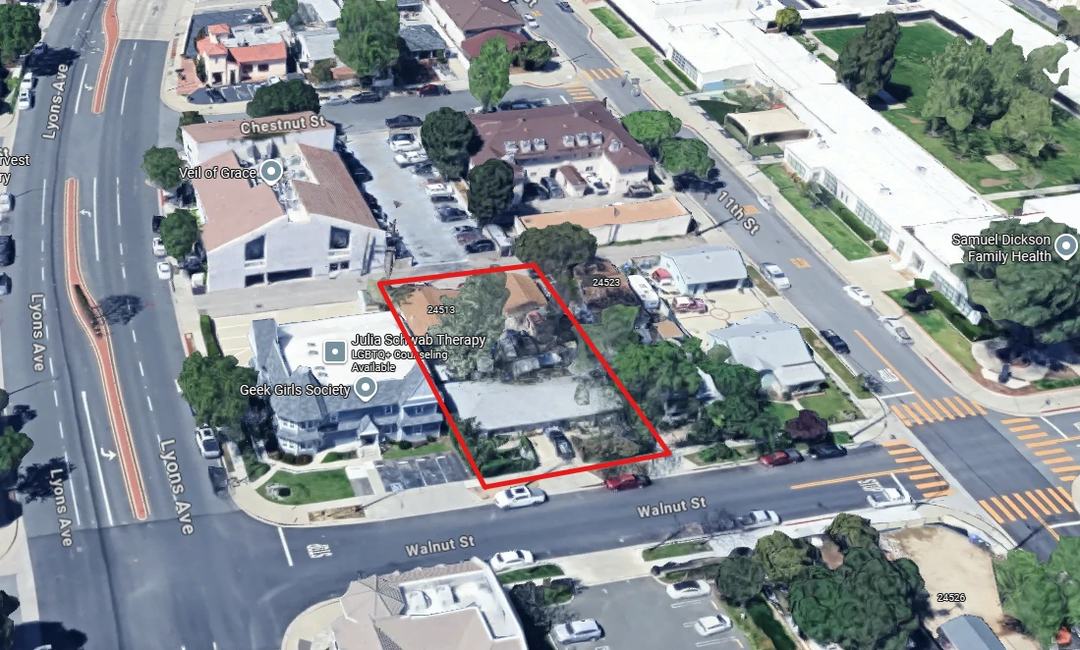
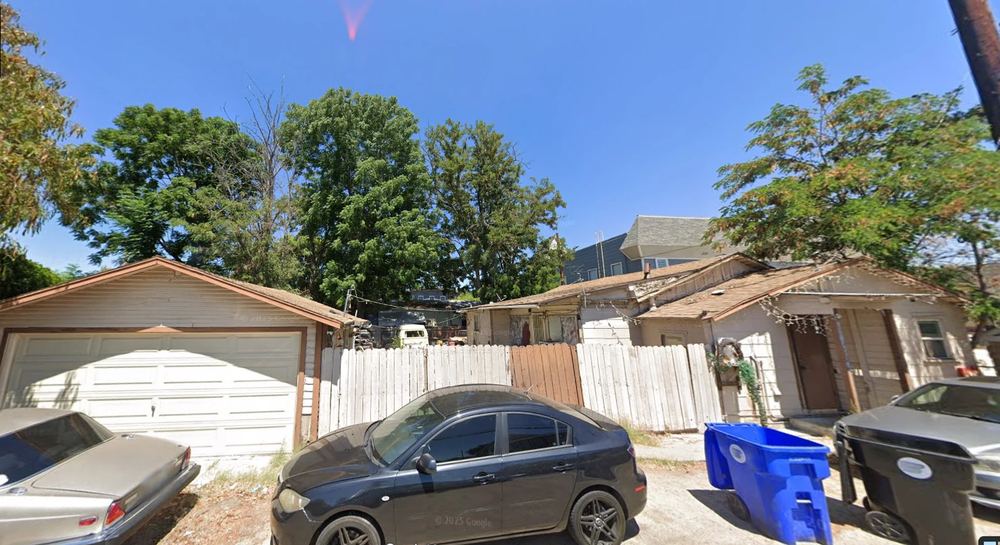
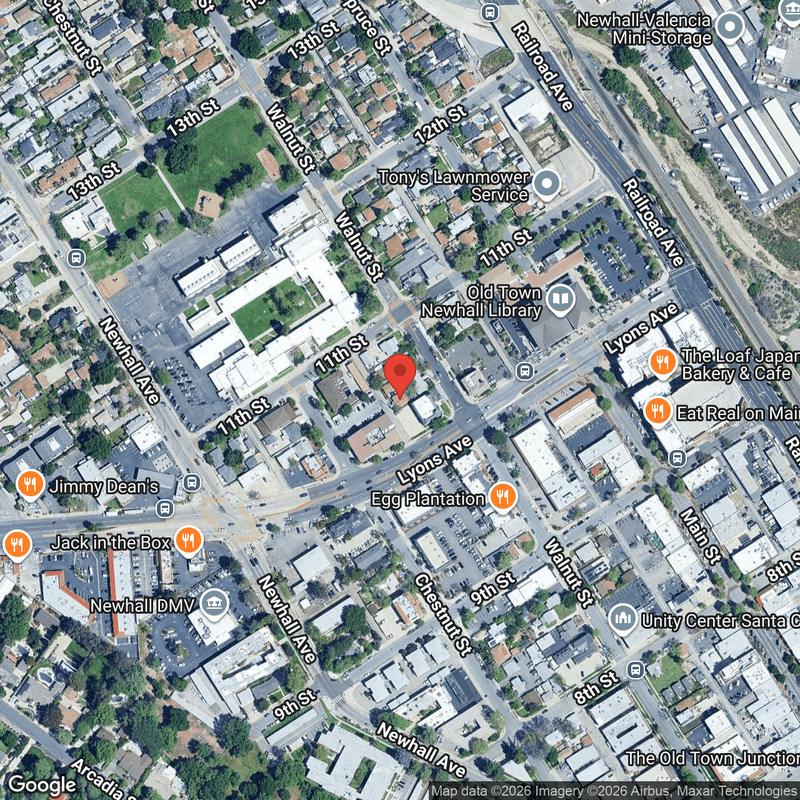
Newhall (Santa Clarita), CA 91321 · one parcel, three addresses: 24513, 24515 and 24519 Walnut St
Prepared for Cynthia Piana, Rose Real Estate LLC · July 2026
Start hereExclusively prepared by the LAAA Team at Marcus & Millichap
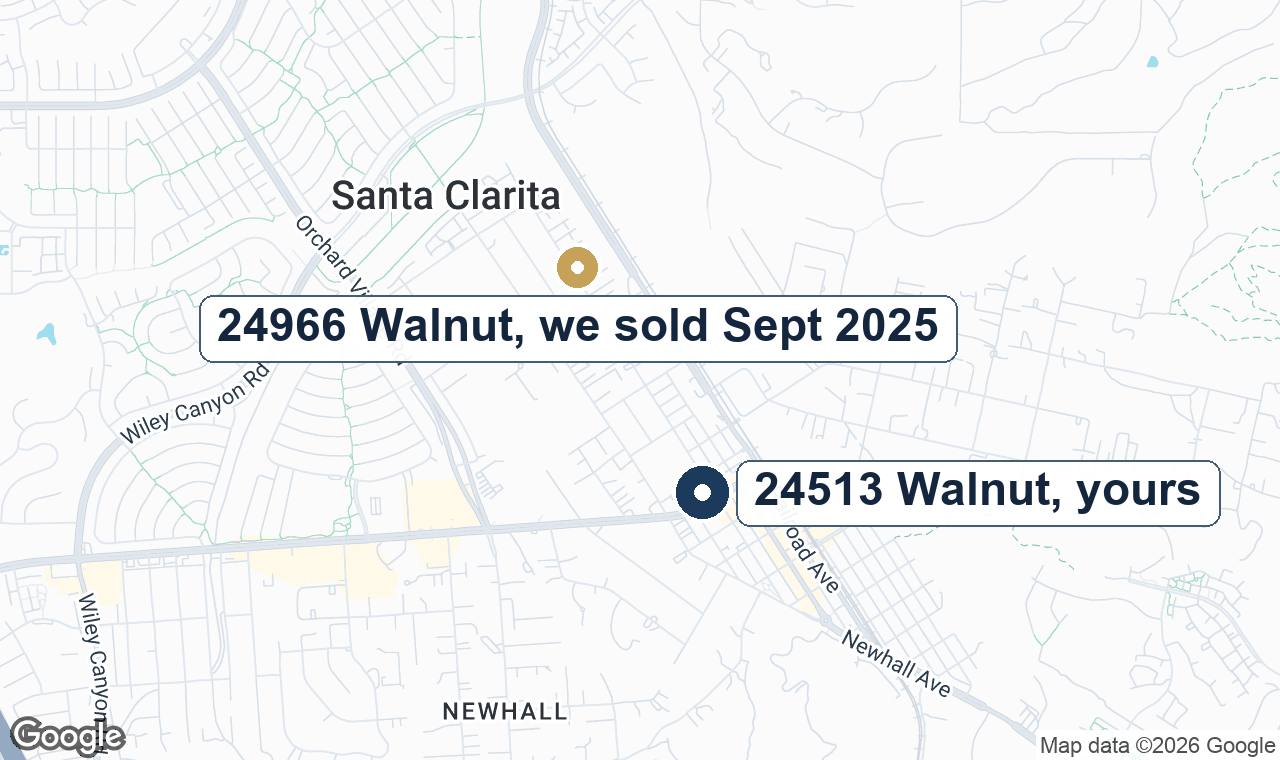
The LAAA Team of Marcus & Millichap is pleased to present this opinion of value for your property at 24513 Walnut St. We sold 24966 Walnut St, a few doors up your own street, this past September, and this document is what we found when we studied your property the same way. Before the numbers, here is that sale, the team behind it, and the track record it sits inside.
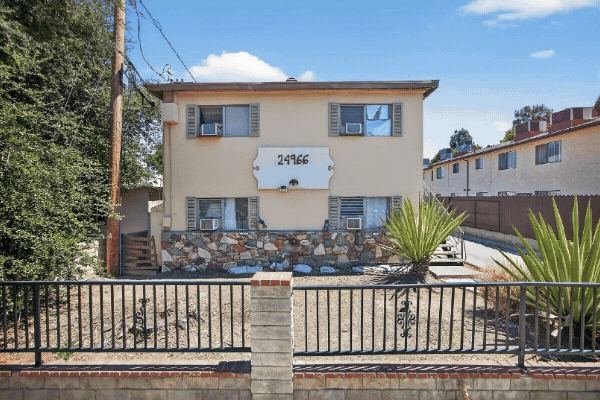
Nine units on your own street, sold for 40-year owners with the roof, electrical and termite work still on the to-do list. This is the sale that prompted your call.
A triplex in a city with barely 70 apartment buildings, the same scarcity story as yours. 13 offers in the first week; the sellers completed a 1031 exchange into passive income real estate.
A rent-control-exempt triplex sold in a hard financing market, with the price adjusted 10% to reach the right buyer.
A fourplex in the Burbank Media District that qualified for residential 1-4 unit financing, the exact loan your buyer will use. The deal closed after a re-trade, at 98% of the final asking price.


Your property has been marketed three times since September 2024, at three different prices, and it has not sold. We want to walk through exactly what happened, because those three attempts are the clearest evidence available on who the real buyer is and what they will pay.
The prior campaigns leaned on a complicated entitlement story. The rules around this parcel are genuinely intricate, and some of them were clarified while your listings were running. We verified every one of them against the city's own documents, with the sources one tap away.
Three listings at three prices did not sell. That is useful evidence, not a discouraging sign: it shows where the market has not met a development-story price, and it points toward the buyer who will actually pay. Two nearby sales show how this segment clears once it reaches the right price.
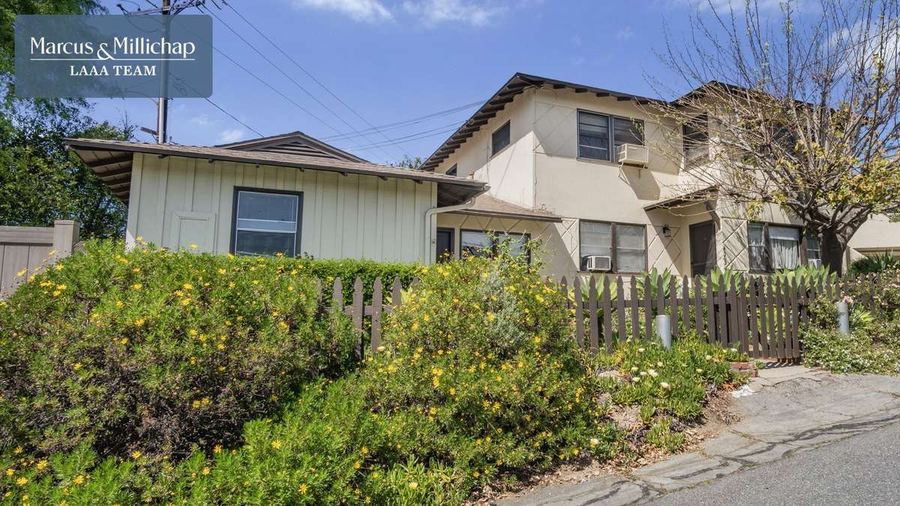
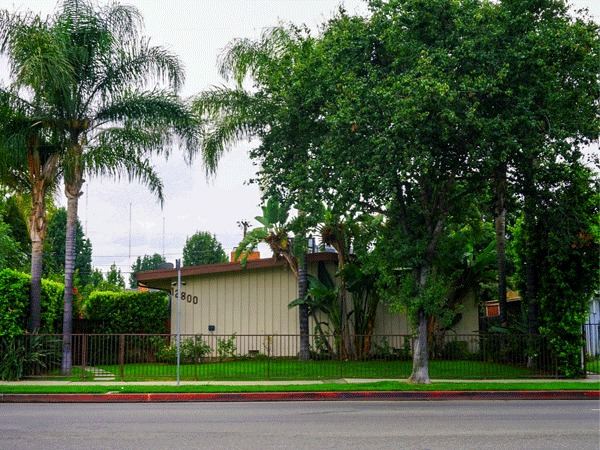
Three detached homes on an 11,048 SF lot, long-term tenants paying far under market, tenants covering their own utilities. The closest match to your property that has sold recently.
51 days, December 2024. It did not sell at that price. Once repriced to meet the income buyer, it sold quickly.
Same zip code, three units, fully renovated, new ADU, pool, and rents near $8,000 per month at market. The finished version of your property.
26 days, May 2026. Its first listing did not sell either. Priced right the second time, it sold in under a month. That is the ceiling for our neighborhood, set by a building in far better condition than yours.
The buyer for your property is not a developer with a spreadsheet full of maybes. It is an investor or an owner-user with a conventional loan who wants three rentable units in a city with no local rent control. Here is how that buyer prices it.
Your three units bring in $5,700 per month today. The same units at today's market rents support about $6,950 per month, a gap of about 18%. Buyers in this segment pay for that gap instead of discounting it, because the gap is their upside.
One sentence on the law: state rule AB 1482 lets rents on sitting tenants rise 8% this year and 8.7% starting August 2026, and each unit resets fully to market whenever a tenant moves out on their own. There is no Santa Clarita rent board on top of it. Unit mix and market figures get confirmed at the walkthrough.
We rebuilt every recent comparable sale on the identical basis, the way a residential income appraiser does it. The pattern is consistent: the best matches cleared at 12.15 to 12.36 times the yearly market rent. Price followed what the units can earn, not what a long-term rent roll happens to collect.
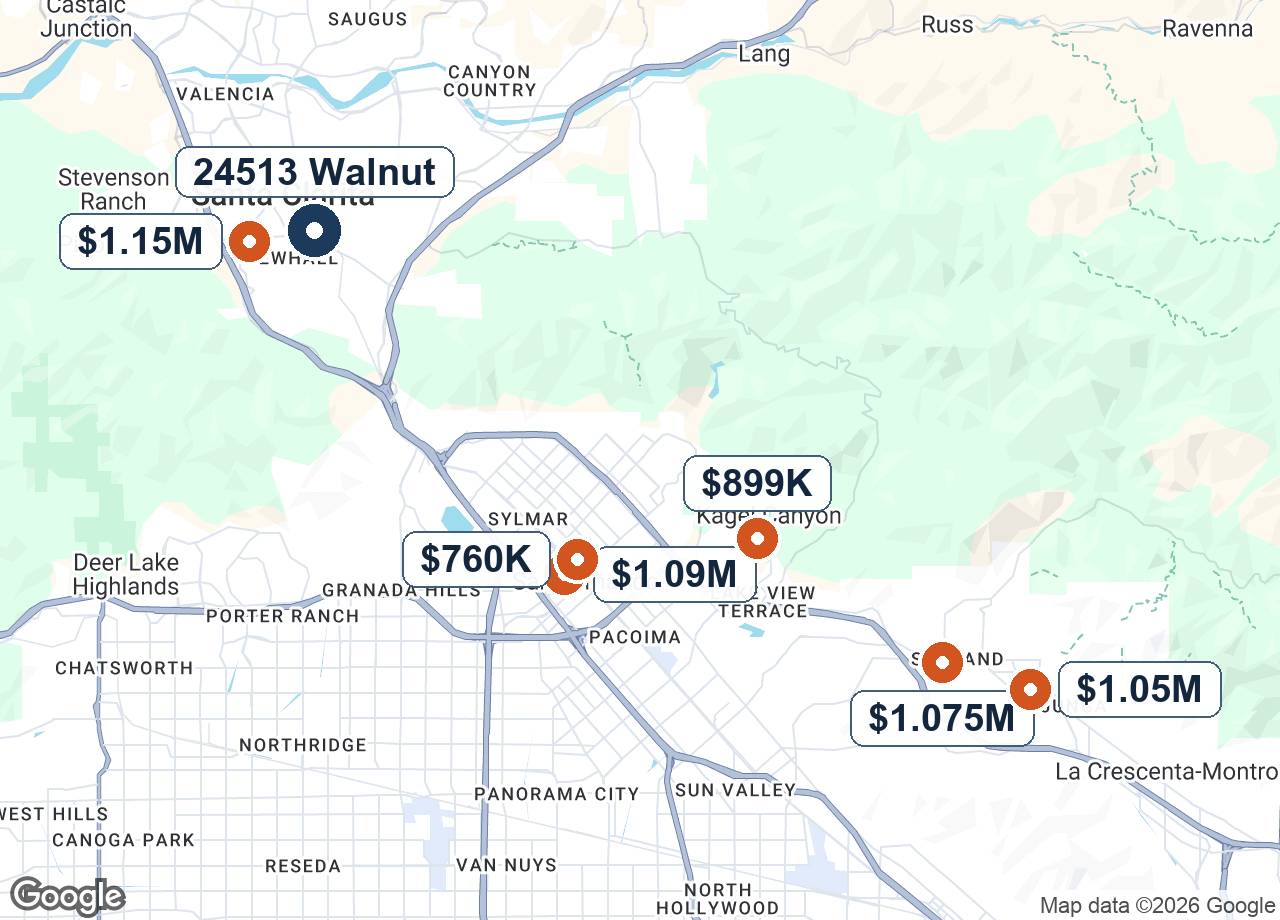
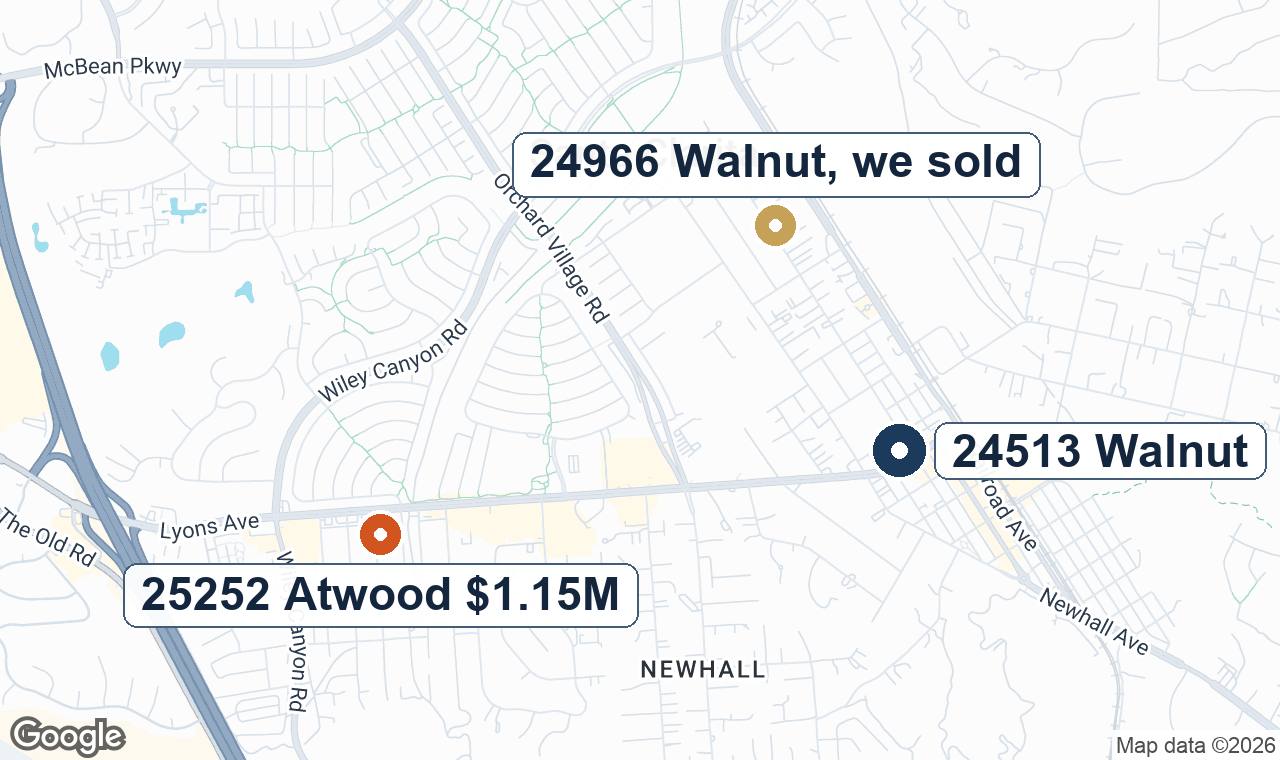
Stack those sales on every metric at once, price per unit, price per square foot, price per bedroom and the rent multiple, and they bracket your property between the Pinewood floor and the Atwood ceiling. Your property sits between the Pinewood floor at $350,000 per unit and the Atwood ceiling at $383,333, above its physical twin and below the fully renovated one, exactly where its condition and its no-rent-board zip code place it. There is a second buyer to price before we give you the final number.
Three listings sold you a development story. We did not argue with it. We tested it, claim by claim, against the city's own planning documents and the state's own laws. Every card below shows what the listings said and what the record says, with the source one tap away.
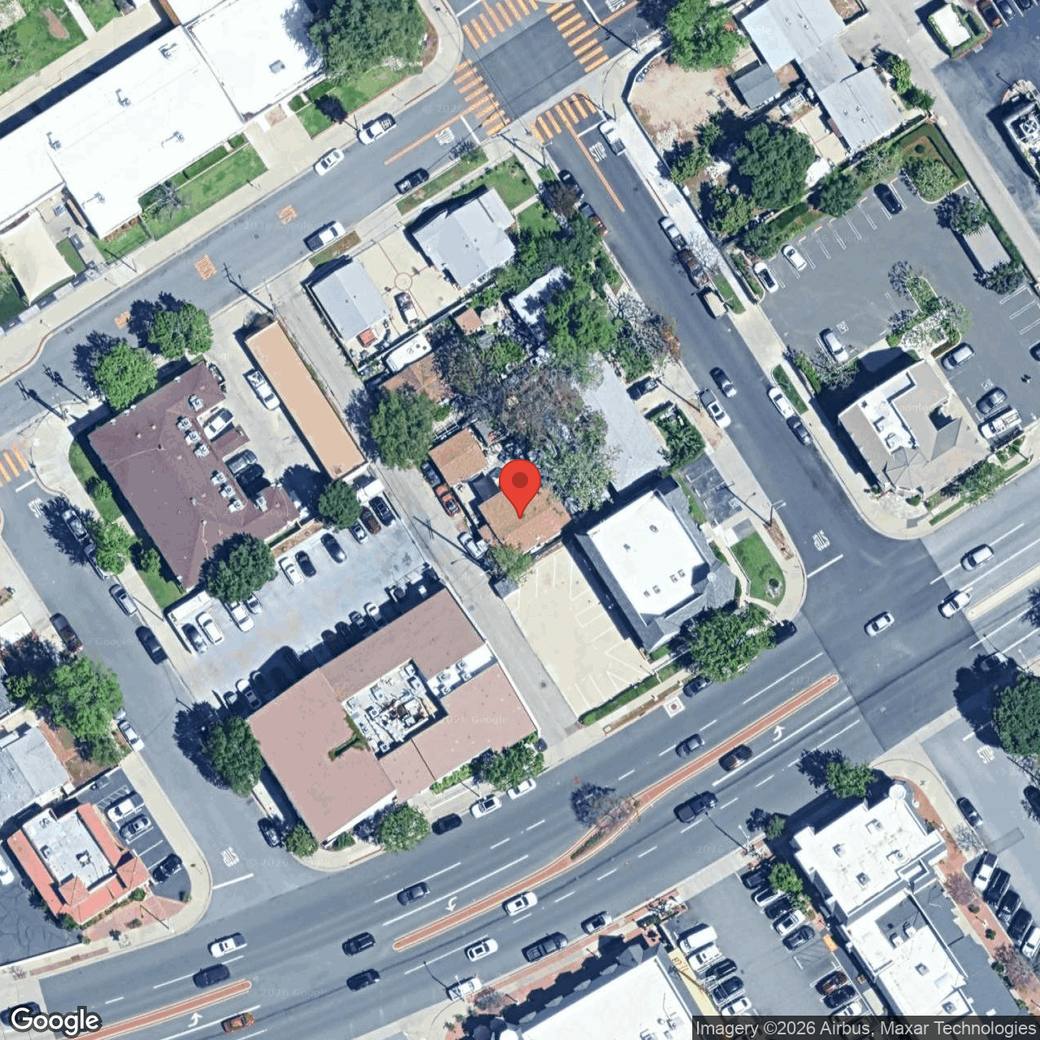
By right, the code caps a new building here at roughly 15,600 SF, and that is before parking and open space shrink it further. Getting anywhere near 22,350 SF requires two separate discretionary city approvals that can simply be denied.
SB 79 only applies near stations running 48 or more trains a day. Newhall's station runs 30. The state's official regional map, published June 2026, does not include Newhall. The law does not touch this parcel.
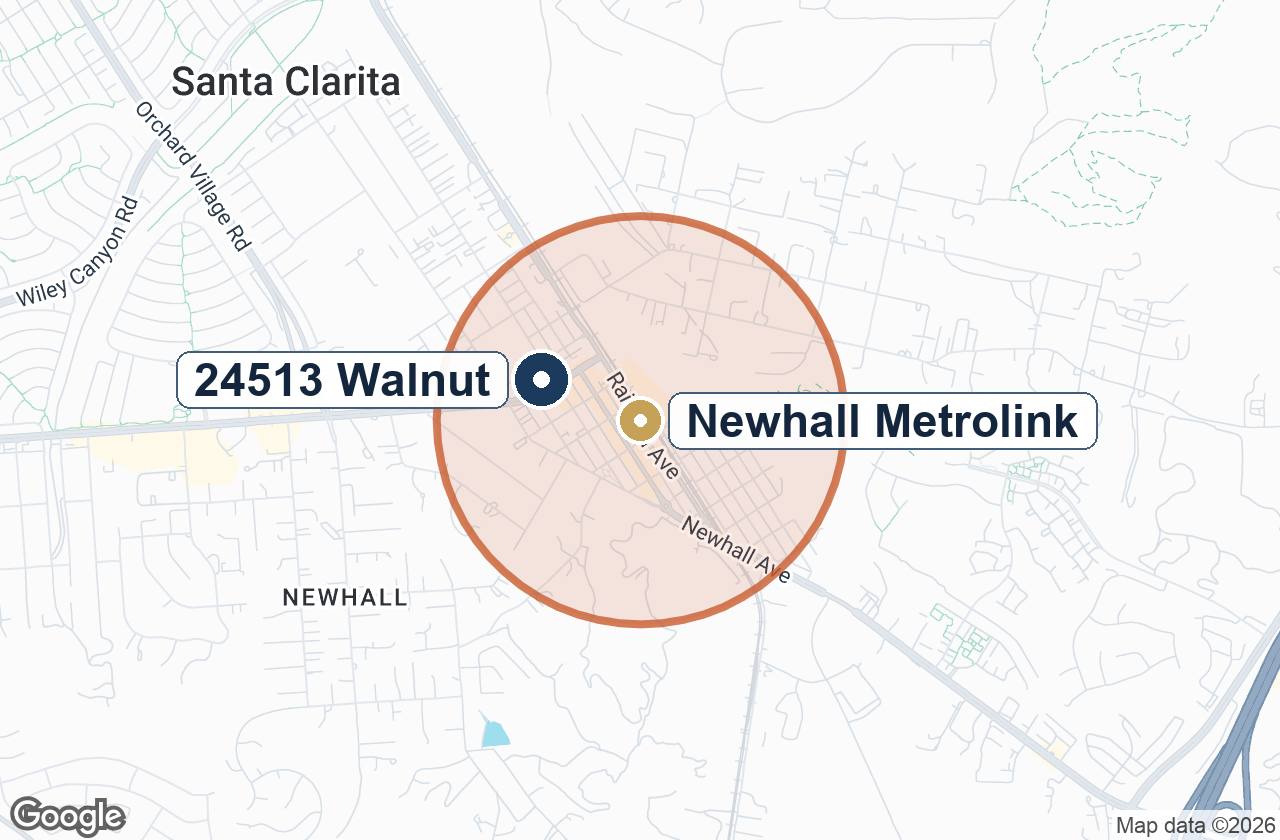
This one holds up. A 2022 state law, AB 2097, bans parking minimums within a half mile of any rail station, and your property sits 0.26 miles from Newhall Metrolink. It has been true since 2023 and it survives everything else on this page.
Correct as stated: the Corridor Zone allows 3 stories and 35 feet by right. What the listings left out is that a new building here must be mixed use, apartments only go above a commercial ground floor, and 100% residential is not allowed by right.
A builder works backward from the finished building's value: subtract construction costs, subtract the margin their lender and equity partner require, and whatever is left is what they can pay for your land. We penciled this at the friendliest defensible inputs a builder could claim in 2026: a finished value near $6.97M, hard construction costs of $250 per SF, soft costs at 15%, a 4.75% exit capitalization rate, a 7.5% construction loan rate, and rents at the level of the newest project in Old Town Newhall. Our benchmark for a deal a disciplined developer and their lender will actually fund is roughly a 15% margin; thinner than that, most capital sources pass.
Even at these developer-friendly inputs, development math supports $900,000 to $1.1M for this land, the same range the income buyer pays for the triplex. The prior prices captured neither buyer. Larger projects that do get built in LA typically buy land at these residual numbers rather than retail asking prices, or they carry subsidies; a small infill lot like this one has neither.
Correcting the development story does not mean your property is ordinary. It carries a stack of genuine advantages. The buyer pays for the triplex; everything below comes with it.
Santa Clarita has no rent board. Only the light state cap applies, 8.7% yearly from August, with full reset to market on turnover. Most competing LA listings cannot say that, and the sales show buyers pay up for it.
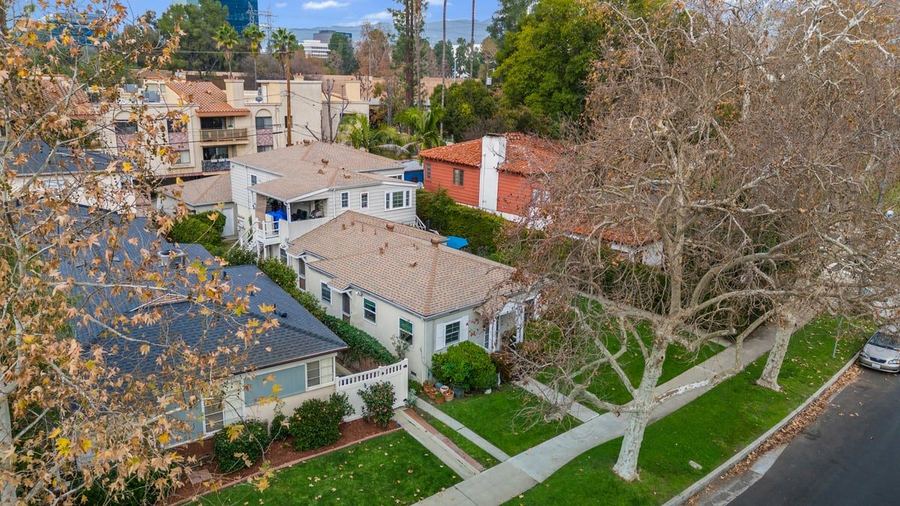
No shared walls, a 2-car garage, a yard and a rear alley on a 9,379 SF lot. It rents like houses, and owner-user buyers can live in one and collect from two.
Your lot may support 1 to 2 additional backyard units, subject to site feasibility, city review, and final buyer diligence. State law requires ministerial review within 60 days and no public hearing for a qualifying unit. On our estimate, each could cost roughly $275,000 to $325,000 to build, would rent free of the state cap for 15 years, and could be worth roughly $330,000 to $375,000 once built.
Because the city cannot require a single parking space here, a backyard unit does not have to surrender a covered stall or the lot area to build it, which is often what kills the idea on a small lot. The same relief is what lets any future project pencil at all: no ramps, no podium, no spaces eating the ground floor. On this parcel that constraint is simply gone.
A funded Metrolink upgrade targets 30-minute service around 2028. If Newhall ever reaches 48 daily trains, the state density law switches on for this parcel. Nobody should pay for that today, and nobody has to: it rides along free.
There are 28 triplexes in this zip code, per our owner census. The median owner has held for 28 years, and only 2 have traded at arm's length since 2018. Proper pricing gives a property like this a better chance to move quickly.
The city treats your three units as a legal use that predates today's zoning. If the buildings ever sit empty for more than 60 days, that residential status can expire, which would hurt every type of buyer. Keep tenants in place while we market, and any buyer planning a heavy renovation should phase the work. Have counsel confirm the specifics before acting on this.
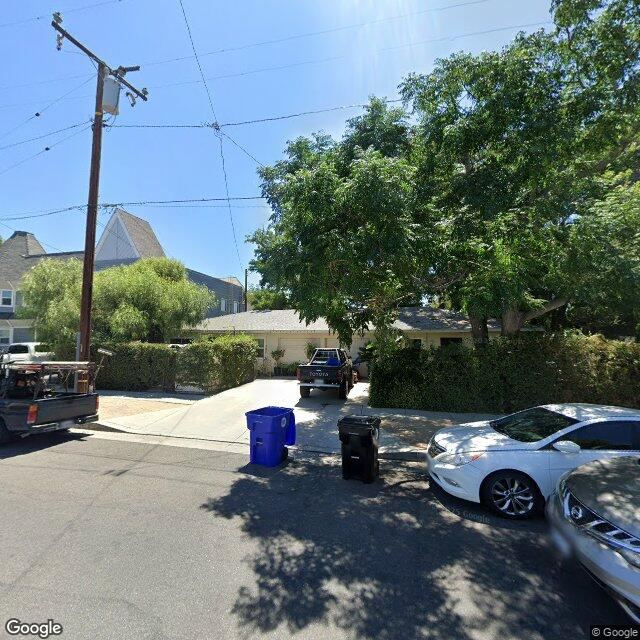
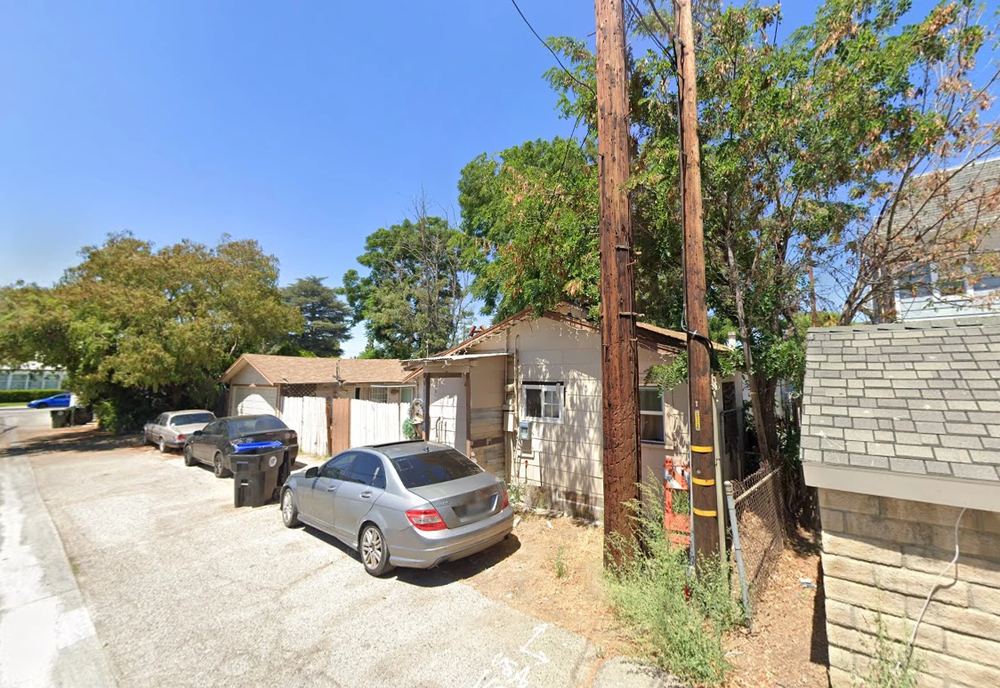
Everything above converges on one number. The income buyer's math and the builder's math, run independently, point at the same place. Most properties can only reach one buyer pool. This one reaches both.
13.1 times the yearly market rent, against recent clean sales at 12.15x to 13.8x. The premium over the middle is earned by no city rent control, the free options in the upside section, and how rarely this product trades here.
A 12.1% development margin at the friendliest defensible inputs. Thin, but for the first time in three listings, a number an aggressive local builder can actually underwrite.
One price both buyer pools can reach.
Our recommendation
| Price | Per unit | Per SF | Per bedroom | Rent multiple (market) | Year-1 return |
|---|---|---|---|---|---|
| $995,000 | $331,667 | $421 | $199,000 | 11.9x | 4.57% |
| $1,020,000 | $340,000 | $431 | $204,000 | 12.2x | 4.42% |
| $1,049,000 | $349,667 | $444 | $209,800 | 12.6x | 4.26% |
| $1,065,000 | $355,000 | $451 | $213,000 | 12.8x | 4.17% |
| $1,095,000 · list | $365,000 | $463 | $219,000 | 13.1x | 4.02% |
Year-1 return is the buyer's first-year yield on today's rents after property taxes reset at the sale price. Operating costs are presented on a broker-benchmarked basis; seller operating statements were not available at the time of preparation, and buyers verify actual costs in escrow.
Here is exactly how the listing runs once you say go.
Photography, the residential MLS listing with full syndication, the exchange-buyer email, and the direct outreach to triplex owners all go out in the first week.
We run the showings and buyer calls, and you get a written update each week on the traffic, the feedback, and where the interest is real.
If the right buyer has not surfaced, we adjust to $1,049,000 on schedule, decided in advance rather than reacted to after the fact.
We bring you every offer with the terms side by side, and negotiate price, deposit, and timeline to protect your position.
The residential 1-4 unit loan your buyer uses closes on a normal residential timeline, not the long commercial one.
The last three campaigns aimed one story at one narrow slice of buyer. We market to everyone who can actually pay.
Full residential MLS exposure with complete syndication, built for owner-users and small investors on conventional loans. Your last listings ran as commercial stories; this one runs where 1-4 unit buyers live.
Investors exiting other buildings on a 1031 clock need exactly this: clean, no-rent-board, sub-$1.1M product. We market to our own active exchange list first.
Direct outreach to every triplex owner in 91321 and the surrounding valley, the 28-property census plus the ring. We will contact the owners most likely to understand this product.
We give local builders the same margin ladder, with the pricing already tied to their underwriting. At $1,095,000 the aggressive ones can finally engage.
Not by right. The city's plan caps this block at 3 stories and 35 feet, and every taller path, including the new state transit law, either does not apply to this parcel or requires discretionary approvals a buyer cannot count on. A 5-story project was approved on Main St in 2025, but only after a contested public hearing, which is exactly the risk builders discount your land for.
SB 79 requires 48 daily trains at the station; Newhall runs 30, and the state's official June 2026 map leaves Newhall off. If a funded upgrade someday pushes service past the line, the law would switch on, and your buyer inherits that upside for free. We would not recommend asking a buyer to pay for that today.
The price sat in a gap neither buyer pool could reach, and 175 days in that gap is not free: taxes, insurance, and upkeep on a 1926 building keep running, with nothing coming in to offset them. A listing that sits that long can also make buyers assume something is wrong and price lower when they do look, so each cut from a stale position reads as pressure rather than strategy. The number was the mismatch, not the property.
It is the highest number both buyer pools can still reach, and the two directions around it are the reason. Price above it and you re-enter the exact zone the market passed on for 22 months: buyers skip the listing, it sits, and you end up cutting anyway from a weaker position. Price below it and you hand away the premium your no-rent-board zip code has earned, and you invite the lowball offers that a too-cheap list price always attracts. This number sits right at the top of what is defensible, with the day 30 to 45 review as the safety valve if the market disagrees.
Your rents can only rise 8.7% a year on sitting tenants while a 1926 building keeps aging and costs keep climbing. The train catalyst has no date and a real chance of never hitting the 48-train line. Meanwhile the sub-$1.1M conventional-loan buyer pool remains active. Waiting means giving up today's active buyer pool for a market we cannot predict.